Rust often starts in easy-to-miss areas, like welds, bolted connections, or around the base of a tank. In Northeast Florida, humidity, heavy rain, and salt air can make those problem areas worse over time. What starts as a small spot of corrosion can eventually damage the steel and lead to a much larger repair.
Since 2001, Performance Painting has been coating industrial facilities, including manufacturing plants, distribution centers, and chemical facilities. Every project starts with a site assessment, where we evaluate the substrate, the environment, and how the space is used before recommending a coating system. The facilities that hold up best treat corrosion control as an ongoing program, not a one-time paint job.
Our work follows three words: Prepare. Protect. Preserve. Here are seven ways facility managers can use that same approach to prevent rust and corrosion in industrial facilities.
Prepare: Get the Foundation Right
1. Treat Surface Preparation as Non-Negotiable
A coating can only protect steel it is fully bonded to. Rust, mill scale, oil, salt residue, and failing old paint left on the surface give corrosion a head start beneath the new finish.
That is why our crews prepare surfaces to the SSPC standard specified for each job before any coating goes on. It is the step most often shortened on a tight schedule, and the one we don’t skip. For a deeper look, read our guide on why surface preparation is the foundation of coating performance.
2. Choose a Coating System for Your Environment
There is no single coating system that works for every industrial setting. The right choice depends on factors like the surface being coated, moisture, chemical exposure, temperature, UV exposure, and how the area is used.
Structural steel, tanks, piping, equipment, and secondary containment all face different conditions, so they may require different coating systems. In some cases, that could mean an epoxy coating with a polyurethane topcoat for added UV protection. In others, the environment may call for chemical-resistant or high-temperature coatings.
At Performance Painting, we work with leading industrial coating manufacturers, including Sherwin-Williams, PPG, Carboline, and Tnemec. We assess your facility’s conditions first, then recommend a system in writing and explain why it fits the surface you are protecting.
Project Spotlight: Protecting a Jacksonville Warehouse from Corrosion
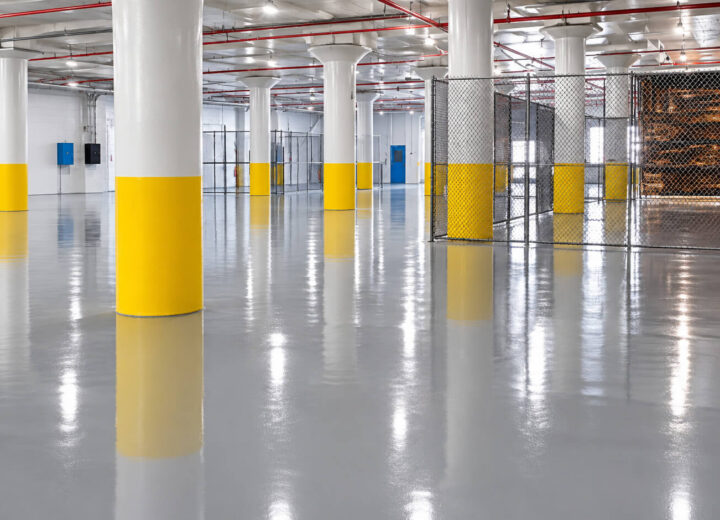
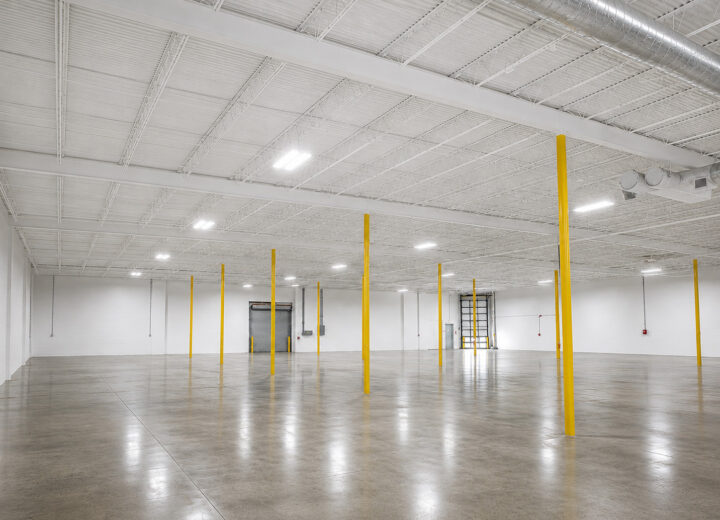
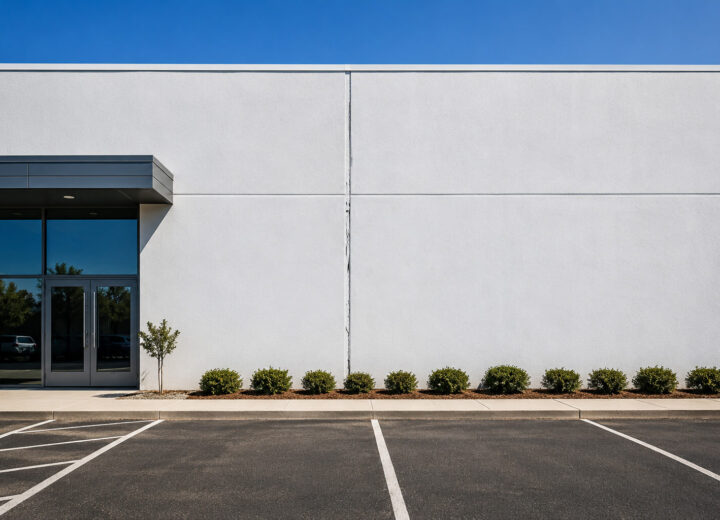
For a building material company in Jacksonville, our team protected a warehouse by starting where lasting results start: the surface. Crews cleaned, sanded, and primed before applying corrosion-resistant coatings, with close attention to uniform coverage.
The result was a warehouse that looks sharper and has a durable, long-term defense for its structural integrity.
Protect: Apply the Coating System Correctly
3. Monitor Application Conditions
Even the right coating can fail if it goes on in the wrong conditions. Temperature, relative humidity, and dew point all affect how a coating bonds and cures. Coating manufacturers set limits for surface temperature relative to the dew point, because moisture condensing on the metal can cause flash rust and poor adhesion.
In Florida, those conditions can change within a single work shift. Check them throughout the workday, not just at the start, and follow the manufacturer’s requirements for recoat windows and cure times.
4. Measure and Document Film Thickness
Protective coatings are designed to perform at a specific dry film thickness (DFT). Too thin, and the steel is underprotected. Too thick, and some coatings can crack or cure improperly.
On our industrial projects, DFT is measured and documented, and every job closes with a final inspection and punch list sign-off with your team. A documented record also makes future maintenance planning easier.
Preserve: Keep Small Problems Small
5. Schedule Regular Inspections
A new coating is not the end of corrosion control. Walk your facility on a set schedule and look closely at the areas where corrosion tends to start first:
- Welds, edges, and bolted connections
- Pipe supports and hangers
- Tank exteriors and bases
- Handrails, stairs, and platforms
- Areas near wash-down zones, cooling equipment, or chemical storage
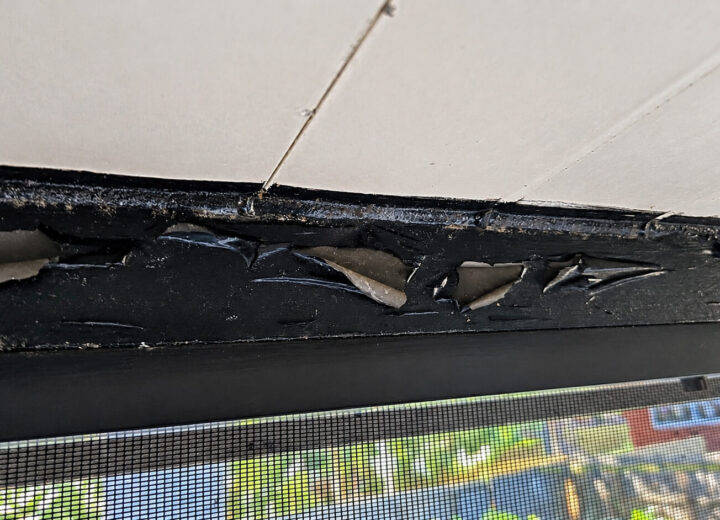
Watch for rust staining, blistering, chalking, cracking, and peeling. Photograph what you find so you can easily compare changes over time.
6. Control Moisture Exposure
Corrosion needs moisture, so limiting it slows the process. Clear clogged drains and gutters, correct areas where water ponds, and repair leaks near steel structures and equipment.
Failed caulking and open joints let water reach surfaces that were never meant to stay wet, which is why waterproofing and sealant installation belong in a corrosion plan. At coastal facilities, periodic pressure washing helps remove salt and grime before they break down protective coatings.
7. Address Damage Before It Spreads
A forklift scrape or a chipped handrail may look minor, but exposed steel begins to corrode, and rust can creep beneath the surrounding coating. Spot repairs made early, with proper prep and a compatible coating, typically cost far less than recoating an entire structure later.
If touch-ups have become a constant task, it may be time to evaluate a full recoat.
Corrosion Protection That Works Around Your Operations
Coating work in an active plant has to fit around production. We plan projects around your schedule, with phased work, off-shift crews, and weekend work available. Every project has an OSHA-certified job leader, a written site-specific safety plan, and coordination with your plant safety team before crews arrive.
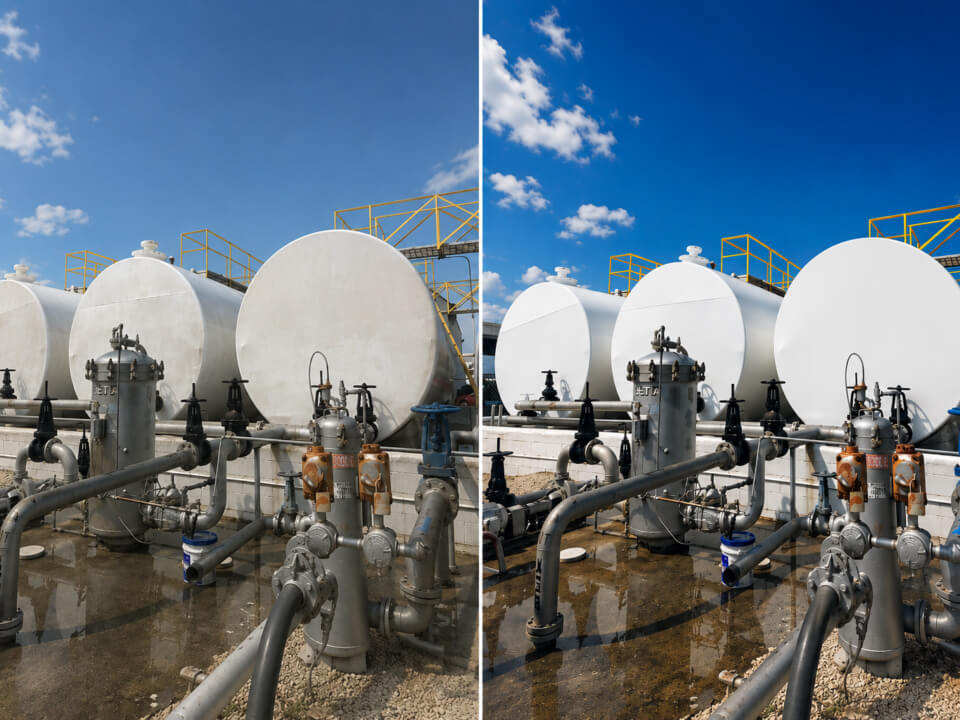
That same process has guided our work across Florida and the Southeast, from warehouse corrosion protection to a repaint of three 30,000-gallon tanks for an aviation company in Jacksonville.
Schedule a Facility Assessment
Seeing rust at your facility, or unsure how your current coatings are holding up? Our team will evaluate your substrate, environment, and operational needs, then recommend a coating system in writing.
Call Performance Painting at (904) 641-4800 or request a quote to schedule a site walkthrough.