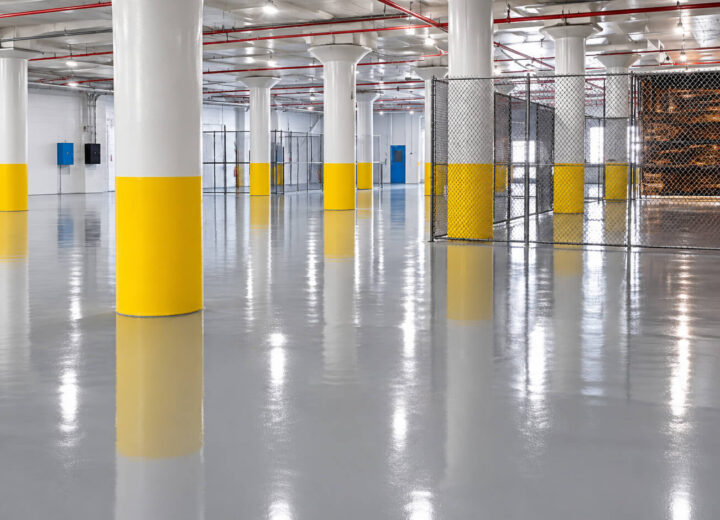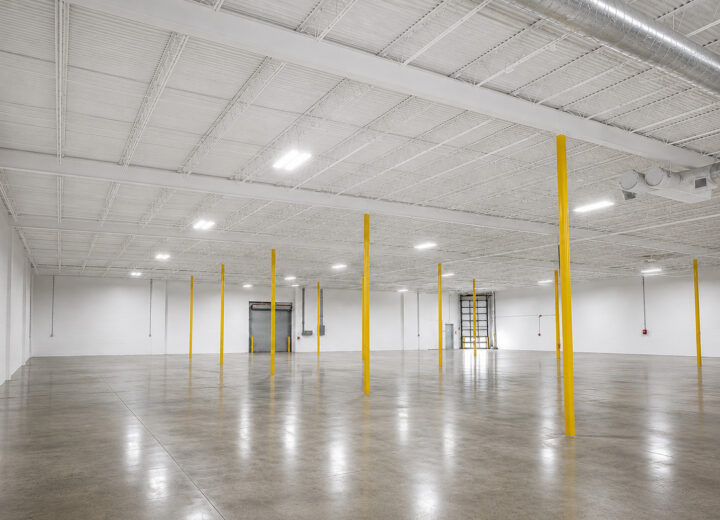
Surface preparation is the foundation for any project. Even the best materials cannot make up for a weak base, and this is true for every paint and coating job.
The most common surface preparation failures we encounter include:
- Surfaces that weren’t really cleaned: Oils, dust, and chemical residue might be invisible, but they’re enough to stop a coating from bonding properly.
- Skipping the pressure wash: Florida’s heat and salty air cause grime to build up in ways you might not notice. Coating over this grime only provides a temporary solution.
- Painting over rust: This happens more often than you might expect. Covering active rust does not stop it; it only hides the problem while the rust keeps spreading underneath.
- Leaving cracks and gaps as they are: Paint does not act as a sealant. If these areas are not caulked or patched first, water will get in.
- Coating before the surface is completely dry: It might seem minor, but trapped moisture is one of the quickest ways to get a bubbling or peeling finish.
How Surface Preparation Affects Coating Durability
Proper preparation leads to stronger paint adhesion. When a surface is clean, dry, and ready, the coating bonds evenly and securely.
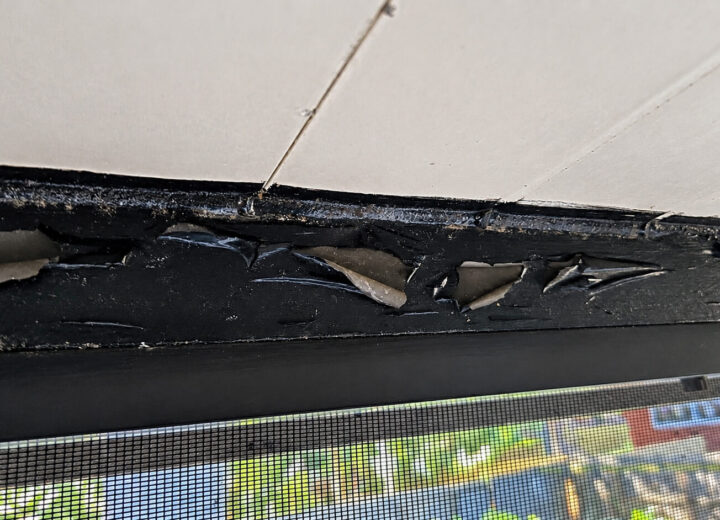
Without good preparation, even the best coatings can fail much sooner than expected. Issues like bubbling, peeling, flaking, and cracking are usually caused by poor surface prep, not the paint.
Rust Removal Helps Protect the Structure: For commercial and industrial properties like warehouses, factories, and metal buildings, treating rust before painting is essential.
Painting over rust traps moisture under the coating, allowing corrosion to keep spreading. Professional preparation methods like abrasive blasting, grinding, and chemical treatments remove corrosion and create a clean surface for coatings to stick to.
Sealing surfaces helps prevent moisture damage. Moisture is a main cause of coating failure, especially in Florida’s humid and coastal areas.
Sealing cracks, joints, and gaps before coating keeps water out. If you skip this step, moisture can get behind the coating, causing peeling, staining, and early failure.
Choosing the right primer is just as important as cleaning and repairs. Good preparation includes selecting the best primer for the job.
The right primer helps paint stick, protects against corrosion, and provides a strong base for the topcoat. This makes the finish look better, perform better, and last longer.
The Real Cost of Skipping Prep Work
Skipping proper surface preparation might seem like a way to save time or money, but it usually leads to bigger and more expensive problems down the road.
With proper preparation and coating, surfaces can last 7 to 15 years, depending on the environment and materials. Without good prep, coatings may start to fail in just 2 to 4 years, which means repainting, repairs, and extra labor much sooner than you’d expect.
Poor preparation can also lead to bigger issues beyond just repainting:
- Rust and corrosion can spread quickly, making repairs far more expensive over time.
- For commercial and industrial properties, unexpected repainting projects can disrupt day-to-day operations.
- Peeling, fading, and staining can affect the appearance of your property and the impression it leaves on customers, tenants, or partners.
- In industrial environments, damaged coatings can even create safety and compliance concerns.
Proper preparation protects your investment for the long term. When the job is done right from the start, surfaces last longer, work better, and need less maintenance.
What Professional Surface Preparation Looks Like
Depending on the project, our process for preparing industrial and commercial surfaces usually includes these steps:
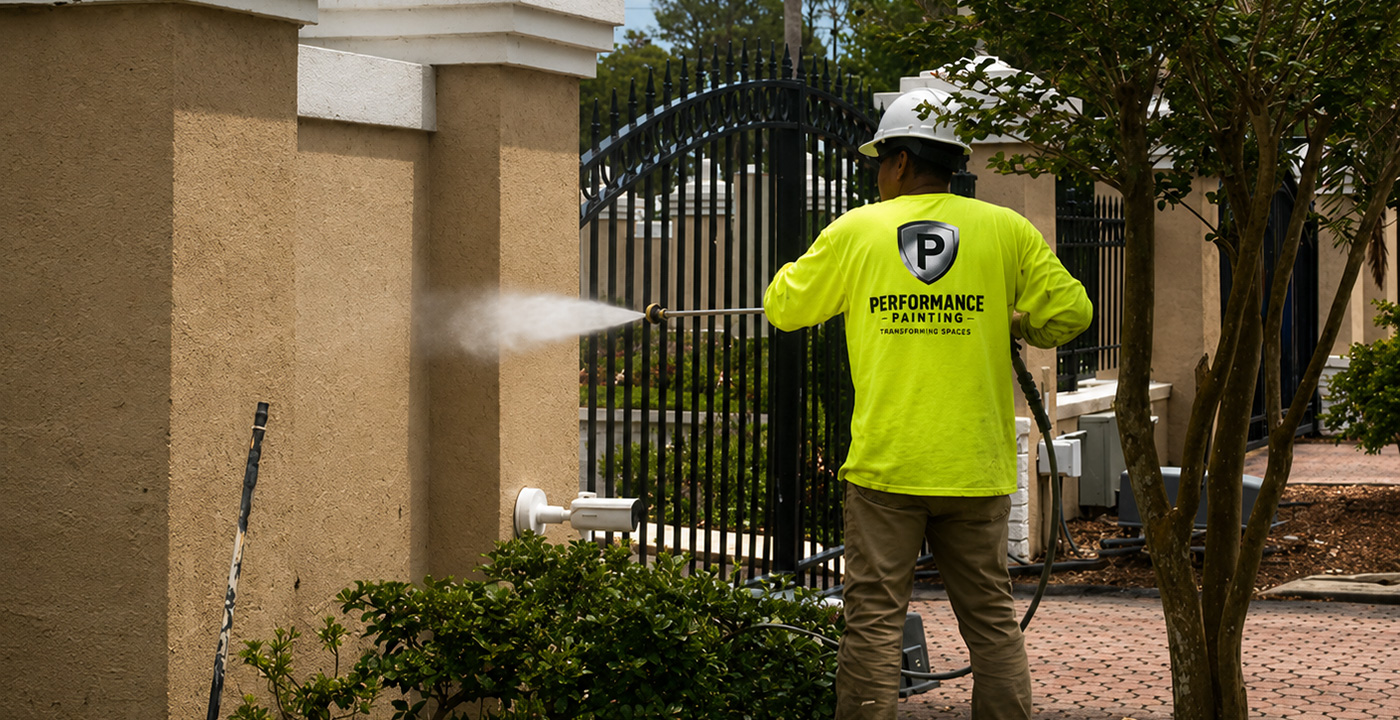
- Pressure Washing: We remove dirt, mildew, and other contaminants from exterior surfaces before painting. For most exterior projects in Jacksonville and the Southeast, this is always our first step.
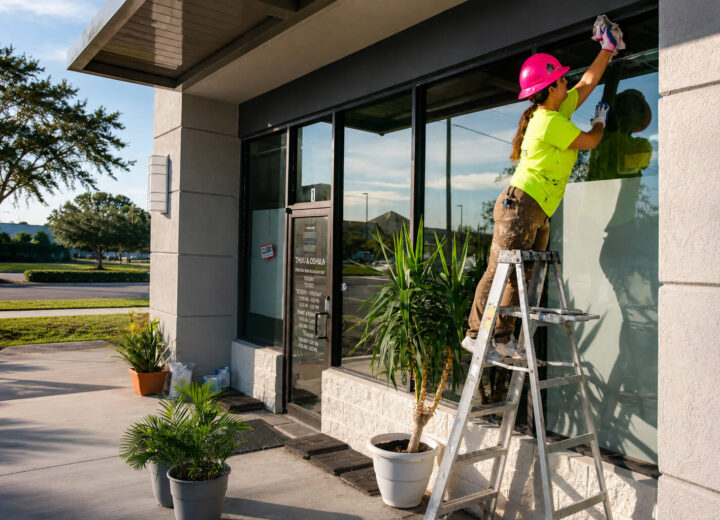
- Surface Repairs and Caulking: We repair cracks, gaps near windows and doors, old sealants, and damaged areas before painting. Our waterproofing and caulking ensure the surface is sealed and solid.
- Rust Remediation and Surface Profiling: For industrial and metal surfaces, we scrape, sand, grind, blast, or chemically treat corroded areas to create a clean, properly prepared surface. This step is necessary for high-performance coatings to bond well and last.
- Masking and Protection: We cover nearby surfaces, windows, fixtures, and equipment to make sure prep and paint only go where they are needed.
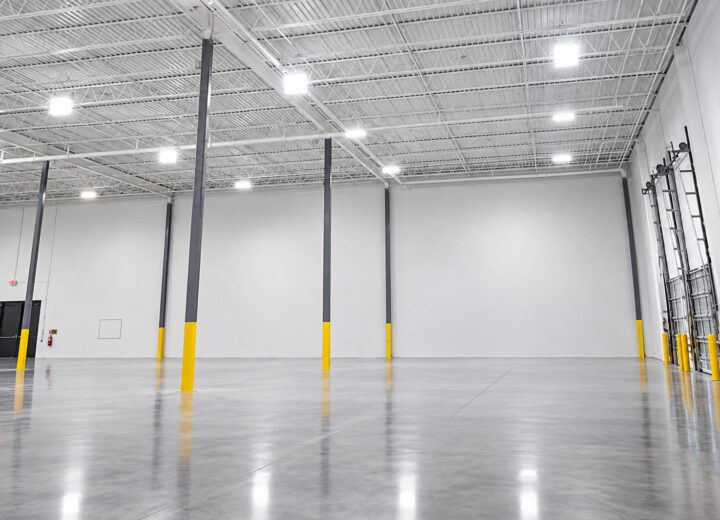
- Priming: We choose the right primer for each surface and coating to make sure the paint sticks well and lasts. For floors and high-performance coatings, selecting the right primer is especially important for long-term results.
Frequently Asked Questions About Surface Preparation and Coating Performance
-
Why does surface preparation matter more than the paint itself?
Even the best coatings won’t last without proper surface preparation: issues such as dirt, moisture, rust, and poor adhesion cause coatings to fail prematurely. Prep work is what makes coatings last. -
How long does surface preparation take?
The time needed for prep depends on the size of the job and the surface condition. For most commercial exteriors, pressure washing and prep take one to two days. Industrial jobs that need rust removal or blasting take longer, but the extra time helps the coating last much longer. -
Can you paint over rust or existing peeling paint?
In some situations, yes, but it depends on the surface condition and the project’s goals.For minor rust, there are rust converter products that can transform active rust into a more stable protective layer. This can be a practical option when full rust removal is outside the project budget. However, the ideal approach is still to fully remove rust whenever possible to create the best long-term surface for coating adhesion and performance.
The same applies to peeling paint. Loose or failing paint should generally be removed before recoating. That said, there are specialty primers designed to help stabilize and “tie down” areas where peeling paint cannot be fully removed. These products can help improve adhesion and extend the life of the coating system when complete surface restoration is not feasible.
The right approach depends on the surface condition, environment, budget, and long-term expectations for the project.
-
Which surfaces can be most affected by poor prep work?
Some surfaces need more than just paint to last. Metal structures, concrete floors, exterior masonry, and any surface exposed to Florida’s humidity or coastal salt air benefit from professional prep work before coating.
Ready to Start Your Next Project With Confidence?
Contact Performance Painting today for a free quote.
Surface preparation might not be obvious in before-and-after photos, but it is what makes your coating perform as promised and keeps your property protected for years.
At Performance Painting, Prepare. Protect. Preserve is more than a slogan. It guides how we approach every project. By making sure surfaces are prepared the right way, we help protect your investment for the long term.
Based in Neptune Beach, FL. Serving Jacksonville, Northeast Florida, and the Southeast since 2001. Call (904) 641-4800 or request a quote online.