When it comes to maintaining a commercial property, few improvements are as impactful as a fresh coat of paint. Not only does a repaint enhance curb appeal and project professionalism, but it also protects surfaces from Florida’s challenging climate. For many property managers and business owners, however, one question comes up again and again: how do you budget for a repaint without being caught off guard by hidden costs or unexpected delays?
Here is a practical breakdown of what to consider when planning your next project.
1. Understand the Main Cost Drivers
Several factors influence the cost of repainting a commercial building:
- Size and scope of the building: Square footage, number of stories, and accessibility all play a role.
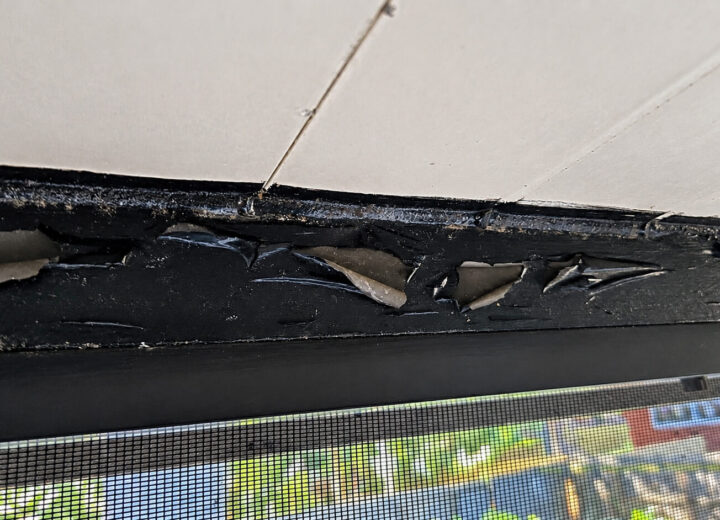
- Surface condition: Surfaces that are damaged, chalking, or heavily weathered will require more prep work.
- Coating systems: Specialty paints or protective coatings may carry a higher upfront cost but deliver longer-term savings.
- Logistics and site conditions: Working around operating hours, high-traffic areas, or strict safety requirements can significantly impact project planning.
By understanding these drivers, property managers can set realistic expectations from the start.
2. Prioritize Surface Preparation
One of the most common mistakes is underestimating the importance of prep work. Cleaning, repairing, and priming surfaces before painting may feel like an added expense, but it extends the life of the coating and prevents early failure. Investing in proper preparation saves money in the long run by reducing the need for touch-ups and premature repaints.
3. Choose the Right Time of Year
Scheduling matters more than most people realize. Fall is an excellent season for exterior repainting in Northeast Florida. The weather is more predictable, humidity levels drop, and crews can work more efficiently. Planning also helps avoid peak-season pricing and ensures projects are completed before the end of the year rush.
4. Work With Experienced Professionals
Surprises often come from overlooked details or incomplete estimates. Partnering with an experienced contractor means you get a detailed proposal that accounts for scope, safety requirements, and scheduling. This reduces the risk of costly change orders once work begins. An established company also has the resources and manpower to deliver large-scale projects on time and within budget.
5. Plan for Long-Term Value
While budget is always top of mind, consider the return on investment. Using high-performance coatings or scheduling preventive maintenance painting can extend the life of your facility’s surfaces and lower lifecycle costs. In other words, spending a little more now can prevent larger expenses down the road.
Why Careful Budgeting Pays Off
Budgeting for a repaint is not just about controlling costs; it’s also about making informed decisions. It is about protecting your investment, planning with confidence, and ensuring your property always reflects your brand in the best light. With the proper preparation, timing, and professional partner, you can eliminate surprises and enjoy results that last for years.
At Performance Painting, we combine industry expertise with detailed project planning, enabling our clients to budget with clarity and peace of mind.
Contact Performance Painting today for a complimentary consultation and estimate tailored to your property.