It usually starts small: a scuff in the hallway, a chipped corner, or a worn spot near an entrance that gets touched up and everyone moves on.
But after a while, those quick fixes can start showing up more often. Maybe the new paint no longer blends with the older finish, or the same areas keep needing attention.
That is when it is worth looking at the bigger picture. If touch-ups become a regular part of maintenance, a full repaint may better restore consistency, protect surfaces, and reduce repeated repairs.
In this post, we’ll look at the signs that touch-ups are no longer enough and when a full repaint may be the better choice for your facility.
When Do Paint Touch-Ups Still Make Sense?
Touch-ups can be a simple, effective solution when the damage is minor and the rest of the coating is still holding up well. Some common situations where a touch-up makes sense are:
- Minor scratches or scuffs
- Small chips caused by equipment or foot traffic
- Damage around doors, corners, or other high-contact areas
- Localized staining after the source has been corrected
- A recently painted surface with only a few problem spots
In these situations, spot repairs can extend the life of the existing paint job without creating a larger project than needed.
Areas with constant traffic or equipment movement may need more attention over time. Choosing durable coatings for high-traffic areas can help reduce premature wear and frequent repairs.
5 Signs It May Be Time for a Full Repaint
1. Repairs Are Becoming More Frequent
An occasional touch-up is normal. A steady increase in repairs may mean the coating is reaching the end of its life.
This often becomes noticeable in production spaces, loading zones, hallways, common areas, and exterior surfaces exposed to weather.
Instead of addressing one area at a time, repainting a larger section can create a more manageable maintenance cycle.
2. Touch-Ups Are No Longer Blending In
Matching older paint is not always as simple as using the same color.
Sunlight, cleaning, wear, and environmental exposure can change a finish’s appearance over time. Fresh paint may look lighter, darker, or have a different sheen than the surrounding surface.
When those differences become noticeable, especially in lobbies, offices, corridors, and other visible spaces, a full repaint can restore a cleaner and more consistent appearance.
3. The Coating Is Beginning to Fail
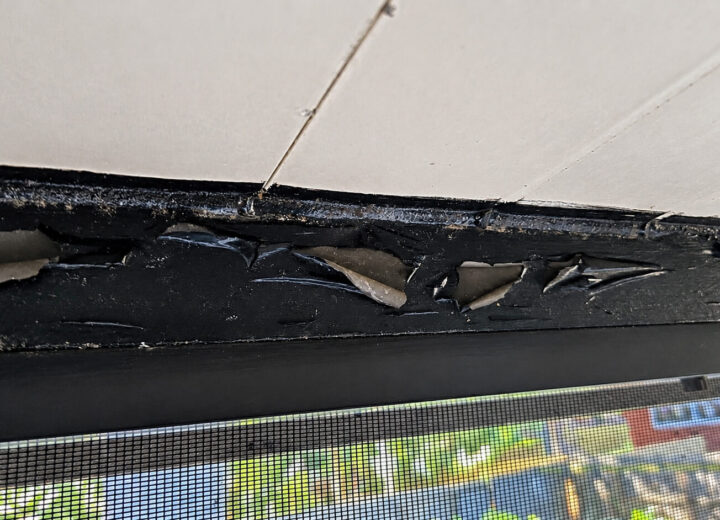
Peeling, cracking, blistering, chalking, or loss of adhesion usually requires more than another coat of paint.
These conditions can relate to moisture, age, surface preparation, or environmental exposure. Covering them without addressing the cause may only delay the problem.
Before applying a new coating, it is important to understand what is happening beneath the surface. Proper surface preparation helps the new coating bond effectively and last.
4. The Same Problem Keeps Returning
If a stain, rust spot, moisture mark, or damaged area keeps returning after repair, paint may not be the underlying issue.
Moisture intrusion, corrosion, failed sealants, or substrate damage may need to be corrected first.
Repeatedly painting over the same area may improve its appearance temporarily, but it will not resolve the source of the damage.
5. Small Repairs Are Taking Too Much Time to Coordinate
Individual touch-ups may seem minor but still require scheduling, access, materials, labor, and sometimes moving equipment or restricting traffic.
When those jobs happen regularly, the cumulative effort can become significant.
Facility managers should look at the bigger picture: how often the surface needs attention, how much each maintenance cycle disrupts operations, and how long the current coating is expected to perform.
The right coating system can also affect long-term maintenance costs, making coating selection an important part of planning a larger repaint.
What a Full Repaint Can Offer
A full repaint gives you the chance to look beyond individual problem spots and address the facility’s condition as a whole.
The painting contractor can assess the surfaces, handle the necessary prep work, and apply a consistent coating system across the area.
That can provide:
- A uniform color and finish
- Better protection for underlying surfaces
- Proper treatment of areas where coatings are failing
- Fewer visible patches from previous repairs
- A more predictable maintenance schedule going forward
It is also an opportunity to ensure the coating suits the environment. A warehouse, office building, manufacturing facility, and high-traffic commercial property may each require a different approach depending on moisture, chemicals, weather exposure, cleaning needs, and daily use.
Performance Painting provides commercial painting services for interior and exterior projects, with the scope and coating system tailored to the facility’s needs.
Planning a Repaint Around Your Operations
A larger painting project does not have to get in the way of your day-to-day operations.
The work can often be planned in phases, scheduled during quieter hours, or focused first on the areas needing the most attention. This way, the project keeps moving without unnecessary disruption for your team, customers, or tenants.
Planning the schedule before work begins can make the process easier. For more tips, read our article on planning a commercial painting project with minimal business disruption.
Make the Decision Based on the Condition of the Facility
Touch-ups remain useful when problems are isolated. Once the coating shows widespread wear or repeated repairs become difficult to manage, it may be time to consider a full repaint.
Performance Painting can evaluate your facility, identify areas that need attention, and help determine the right scope for your project.
Contact Performance Painting to discuss your commercial painting and coating needs.