When a painting project is finished, it is easy to focus on the color, clean lines, and the immediate improvement in how the property looks. What is harder to see is whether the work beneath the finish was done properly and if the coating will hold up over time.
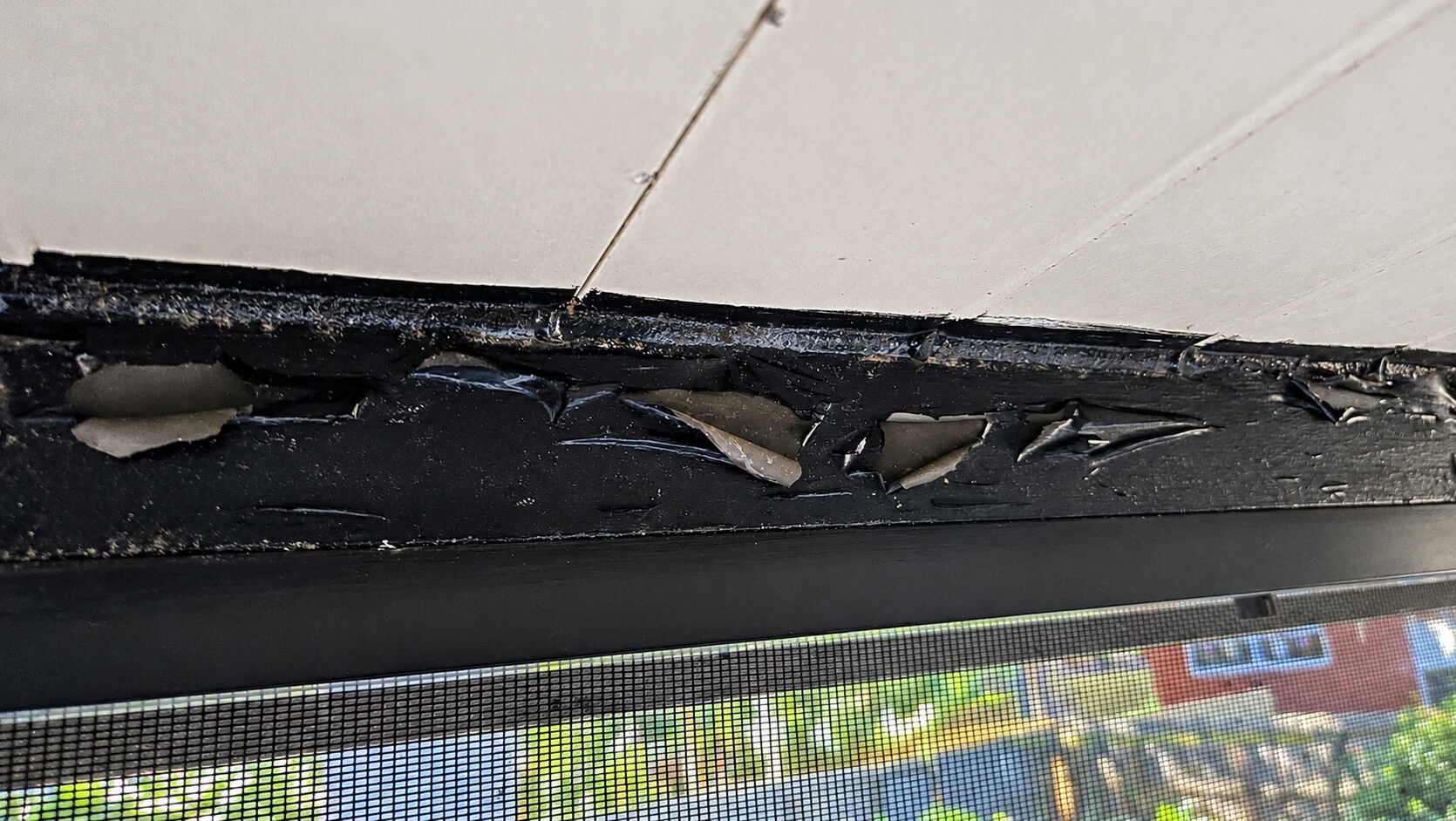
Skipping prep work or rushing the job can cause peeling, bubbling, rust, and early wear, even if the paint looks good at first.
For commercial buildings, industrial facilities, and HOA communities, those issues can lead to additional repairs, unexpected maintenance costs, and the inconvenience of having the work done again.
Before starting your next project, watch out for these four common painting shortcuts:
Shortcut 1: Skipping Proper Cleaning
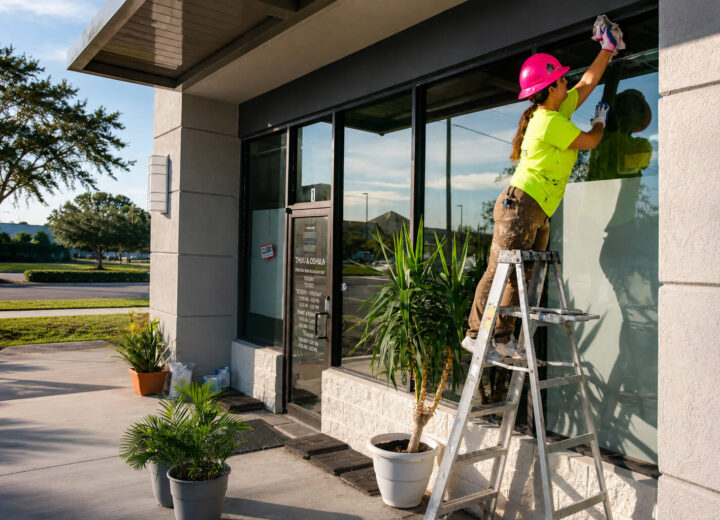
Paint can only perform as well as the surface beneath it. Even if a wall or structure looks clean, dust, grease, mildew, salt, or loose material may prevent the coating from bonding properly. Over time, this can cause peeling, bubbling, and uneven wear.
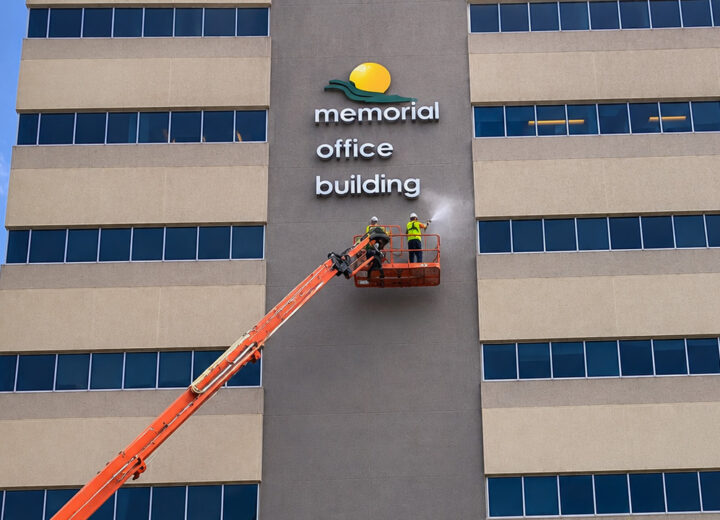
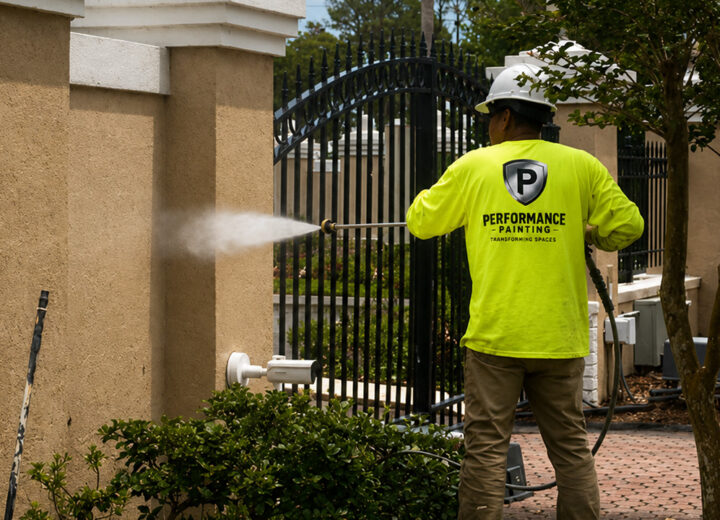
Coastal properties need extra attention because salt residue can build up on stucco, concrete, and metal surfaces. Proper preparation may include pressure washing, degreasing, mildew treatment, or rust removal, followed by sufficient drying time.
Cleaning should be tailored to the material. The goal is to remove anything that could affect adhesion without damaging the surface.
Shortcut 2: Painting Over Needed Repairs
Painting over damage doesn’t make it go away. Cracks, loose paint, failed caulking, rust, damaged concrete, and deteriorated wood can worsen beneath a fresh coat.
A new coat of paint might look better, but it won’t fix failed caulking, open gaps, or structural issues. Moisture can still enter, causing more damage and spreading rust.
Before painting begins, necessary repairs may include:
- Removing loose or peeling paint
- Repairing stucco cracks or damaged concrete
- Replacing failed caulking
- Treating rusted metal
- Patching damaged areas
- Replacing deteriorated wood
- Priming stained, repaired, or exposed surfaces
A professional assessment helps identify which areas are cosmetic and which need attention to prevent premature coating failure.
Shortcut 3: Choosing Paint Based Only on Price or Color
Price and color matter but should not be the only factors when choosing paint or coating. Different products suit different surfaces and conditions. What works well in an office may not hold up on an exterior wall, industrial floor, metal structure, loading area, or frequently cleaned space.
Using the wrong product can cause fading, staining, poor adhesion, early wear, or a finish that is hard to maintain.
Before choosing a product, consider:
- The type of surface being painted
- Whether the area is indoors or outdoors
- Exposure to moisture, sunlight, or salt air
- Foot, vehicle, or equipment traffic
- Contact with grease, chemicals, or cleaning products
- Compatibility with the existing coating
- The desired sheen, washability, and finish
- Primer and topcoat requirements
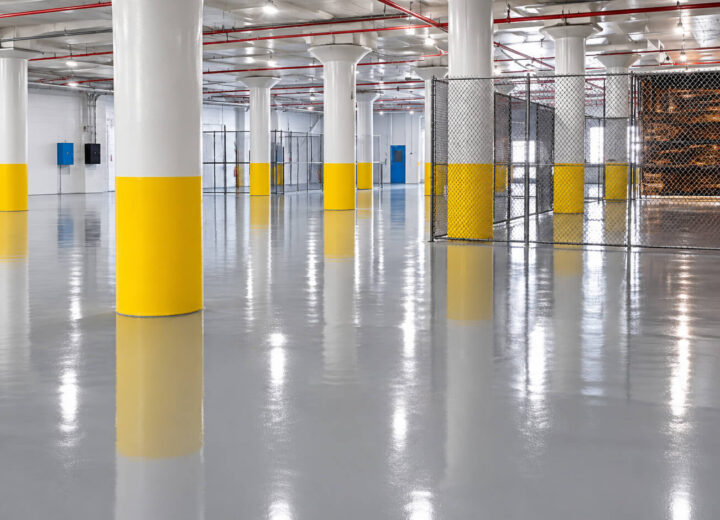
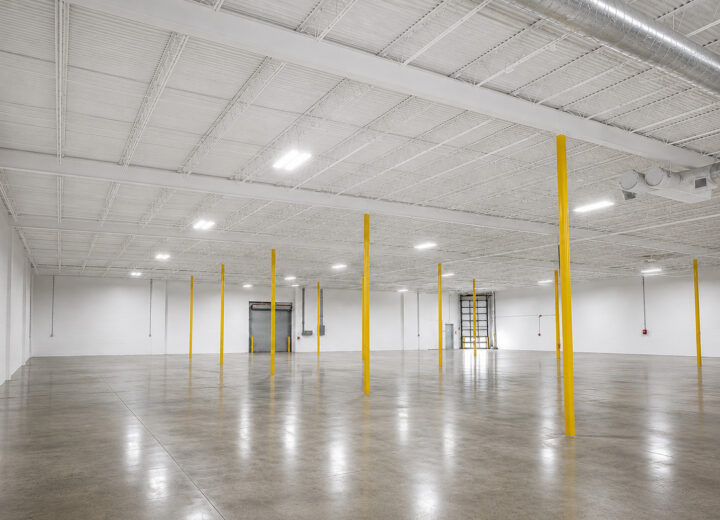
Some commercial and industrial surfaces need more than conventional paint. Depending on the environment, epoxy, polyurethane, elastomeric, waterproofing, or another high-performance coating may be better.
It is a common misconception that the most expensive product is always the best choice. The right option is designed for the specific surface, surrounding conditions, and how the space will be used.
Shortcut 4: Rushing the Application
A tight schedule does not change the way paint dries and cures.
Each product has requirements for temperature, humidity, surface condition, coat thickness, drying time, and recoating. Ignoring these can weaken the finished system.
Rushed application can cause:
- Drips, runs, or uneven coverage
- Visible roller marks or lap lines
- Inconsistent color or sheen
- Poor adhesion between coats
- Trapped moisture or solvents
- Soft or improperly cured coatings
- Premature peeling or wear
Applying a thicker coat may seem like a way to speed things up but can cause the paint to dry unevenly or stay soft beneath the surface. Applying the next coat before the recommended recoat time can also interfere with drying and adhesion.
A commercial painting contractor should plan work around the product’s drying requirements, weather, site access, and the property’s schedule to keep the project on track without cutting corners.
Look Beyond the Lowest Proposal
Two painting quotes may cover the same property but include very different levels of work. One may include cleaning, repairs, primer, the right products, and a final inspection, while another may cover little more than applying paint.
The lowest quote might save money at first, but if important steps are left out, it can lead to more repairs, higher costs, and more disruption later. Before you pick a contractor, ask exactly what’s included:
- What preparation and repairs are included?
- Which products will be used, and why?
- Is primer included?
- How many coats will be applied?
- How will weather and drying time affect the schedule?
- How will the finished work be inspected?
The goal is to compare the full scope and long-term value, not just the lowest price on the proposal.
A Lasting Finish Starts Before the First Coat
Painting shortcuts should not be seen as a way to save time or money. Any initial savings can disappear quickly if the coating peels, bubbles, fades, or wears down too soon, leaving the property owner to pay for repairs and repeat work.
A lasting finish begins with proper cleaning, necessary repairs, the right coating system, and an application process that follows the product’s requirements. Though much of this work happens behind the scenes, it directly affects how the surface looks, performs, and holds up over time.
At Performance Painting, our Prepare. Protect. Preserve. approach guides how we approach commercial, industrial, and HOA painting projects. We begin by evaluating the property, identifying conditions that could affect the coating, and recommending a system tailored to the surface and its everyday demands.
Planning a painting or coating project? Call Performance Painting at (904) 641-4800 or request a quote.