Published by the Performance Painting Contractors Team | Over 20 years of experience | More than 5,500 projects completed across the Southeast
Commercial buildings face constant exposure to sun, rain, temperature changes, and everyday wear. Over time, these conditions can weaken the materials that protect the building, making proper sealant installation one of the most important but often overlooked parts of exterior maintenance.
Small gaps around joints, windows, doors, and other openings can allow water and outside air to enter. When left unsealed, these openings can contribute to moisture damage, mold growth, higher energy costs, and increasingly expensive repairs over time. Below are seven areas where proper sealant installation can help protect a commercial property and support its long-term performance.
1. Expansion and Concrete Joints
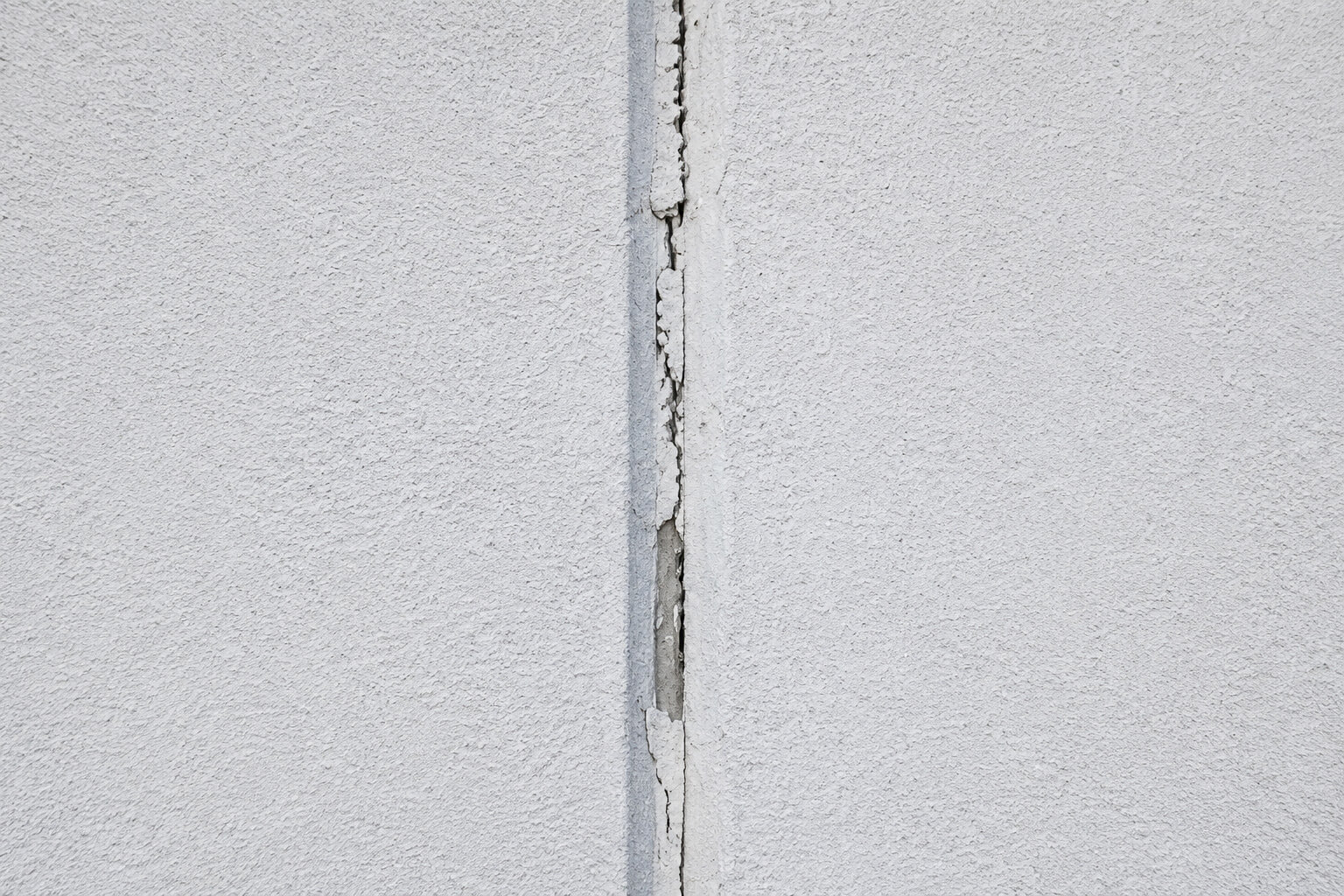
Concrete naturally expands and contracts as temperatures change, and without flexible sealant in the joints, that constant movement can cause cracks and allow water to seep under the surface. Properly sealing these joints gives the concrete room to move while protecting the layers below from moisture and long-term damage.
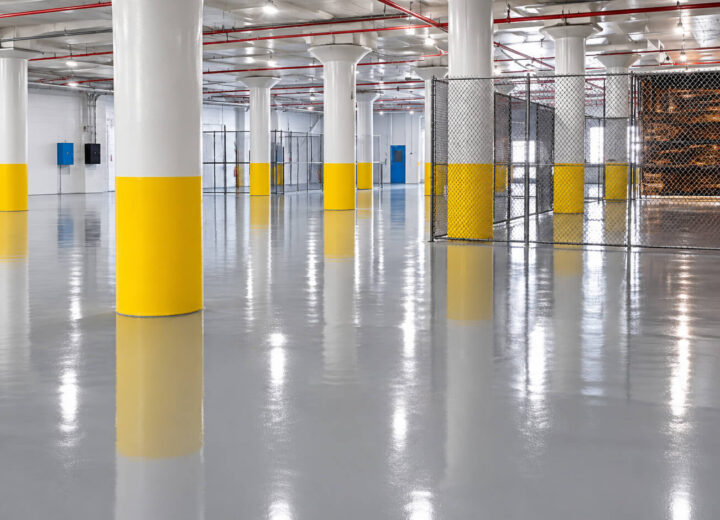
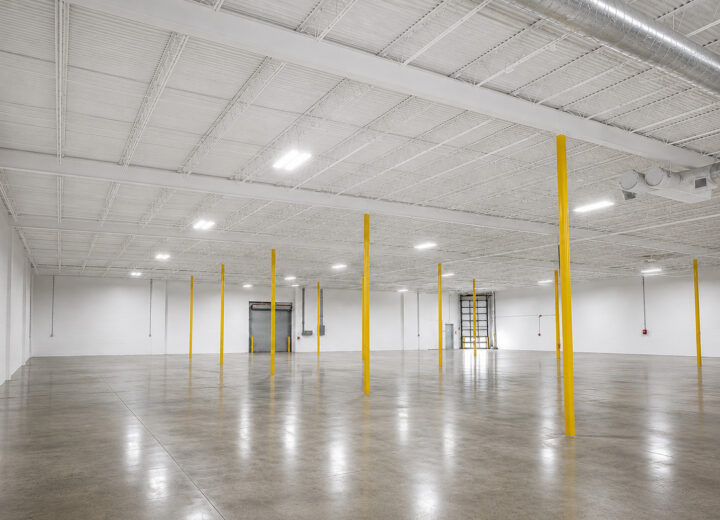
This is especially important in parking structures, warehouses, and any facility with large concrete slabs exposed to daily temperature swings. Many of these facilities also benefit from floor coatings and other high-performance coatings that protect concrete against wear, chemicals, and moisture.
2. Window and Door Perimeters
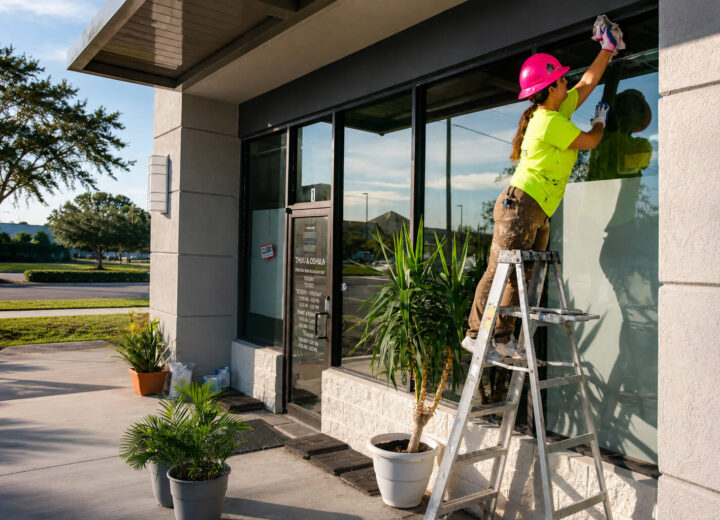
Window and door perimeters can become common entry points for water and outside air when the surrounding sealant begins to fail. A well-sealed perimeter keeps rain from getting behind the frames and into the walls. It also reduces air leaks, helps your HVAC system work less, and lowers energy costs over time.
In high-rises and multi-tenant buildings, window and door sealant failure is one of the most common sources of interior water damage. This is one of the areas we address most often in our commercial painting services, since exterior painting and sealant work are closely tied to maintaining a watertight facade.
3. Roof-to-Wall Joints
Where the roof meets the exterior walls is a vulnerable spot because the materials can move and settle at different rates. Proper sealant absorbs this movement and prevents water from entering the building, which is especially important around parapet walls, flashing, and where different roofing materials meet.
4. Building Façade Joints and Panel Seams
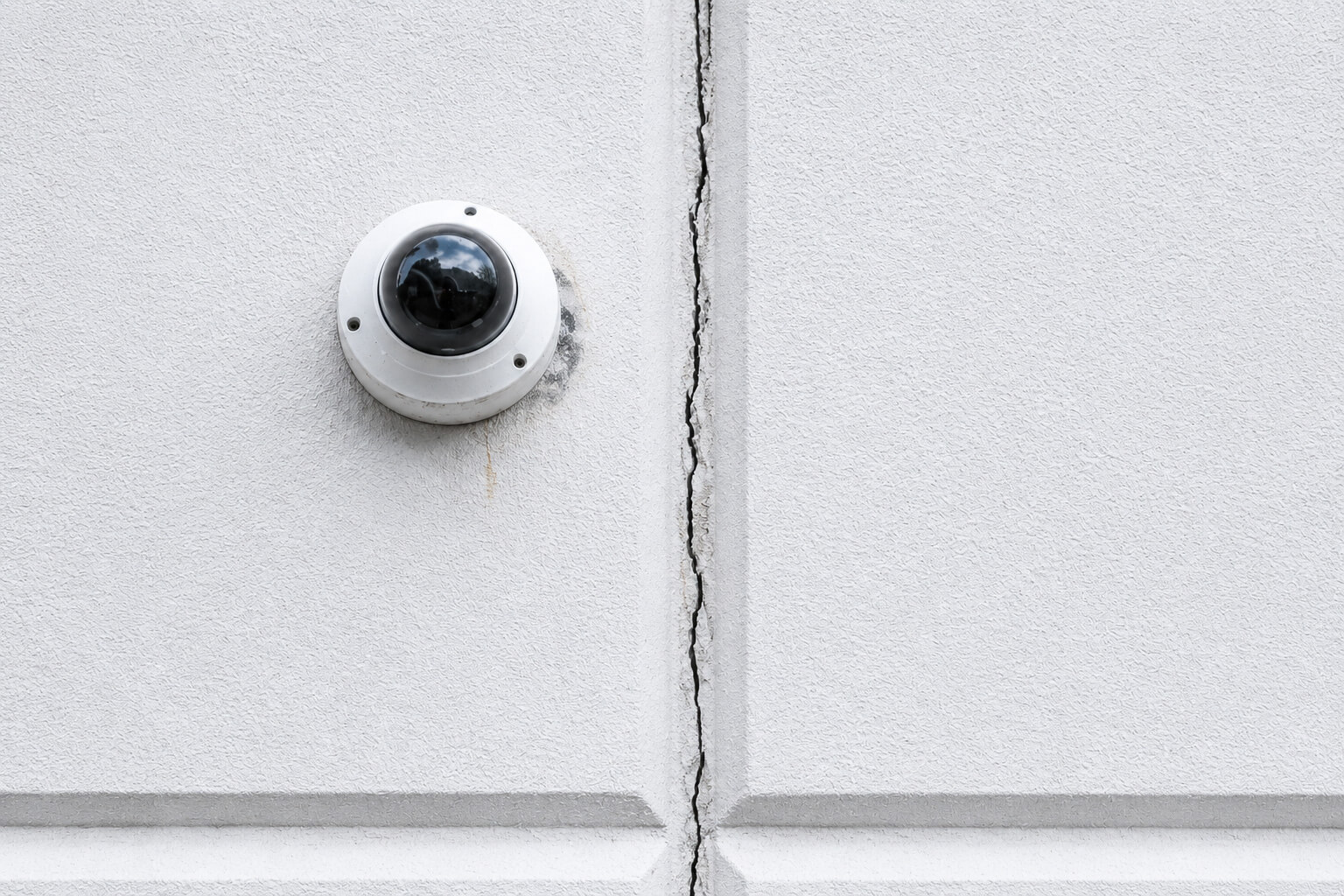
Commercial facades, whether brick, EIFS, metal panels, or precast concrete, need sealed joints between sections to remain watertight. As buildings settle and materials age, these seams are often the first points of entry for moisture. Regular inspection and resealing of facade joints help keep the building looking good and protect its structure, especially in industrial facilities exposed to harsh weather.
5. Below-Grade and Foundation Walls
Foundation and below-grade walls can be exposed to groundwater and moisture in the surrounding soil. Waterproofing systems and properly sealed joints help limit water intrusion through cracks, seams, and porous concrete, reducing the risk of efflorescence, spalling, and long-term deterioration. This protection is especially important for buildings with basements, parking garages, or below-grade utility areas.
6. Plumbing and Mechanical Penetrations
Pipes, conduits, and ducts often leave small openings where they pass through walls, floors, or roofs. These gaps can let in water and outside air. Sealing them properly helps stop moisture from traveling along utility lines and reaching wall cavities or ceilings, where the resulting damage can go unnoticed for years.
7. Balconies, Walkways, and Exterior Walking Surfaces
Balconies and exterior walkways in condos, HOA communities, and multi-tenant properties are exposed to constant foot traffic, rain, and changing weather conditions. When joints, railing connections, and surface transitions are properly sealed, water is less likely to collect or seep beneath the surface, where it can gradually damage the structural deck.
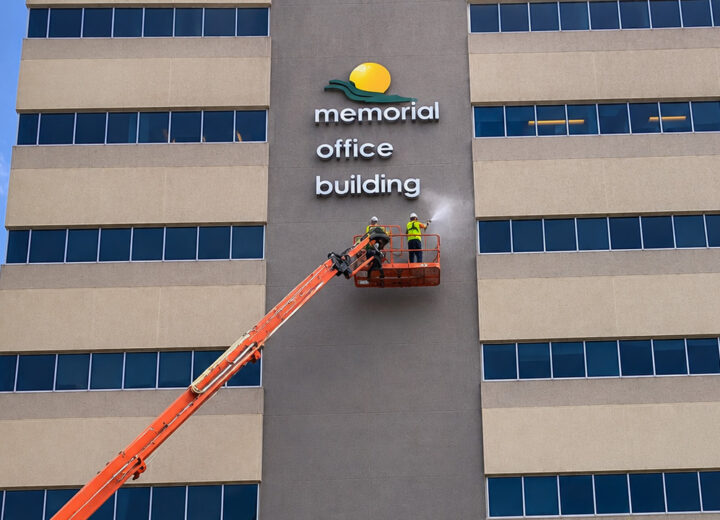
Because these areas affect both safety and code compliance, they are often a major focus during property inspections. Many associations schedule pressure washing before inspection season so cracks, failed joints, and other problem areas are easier to spot before new sealant is applied.
The Long-Term Value of Proper Sealant Installation
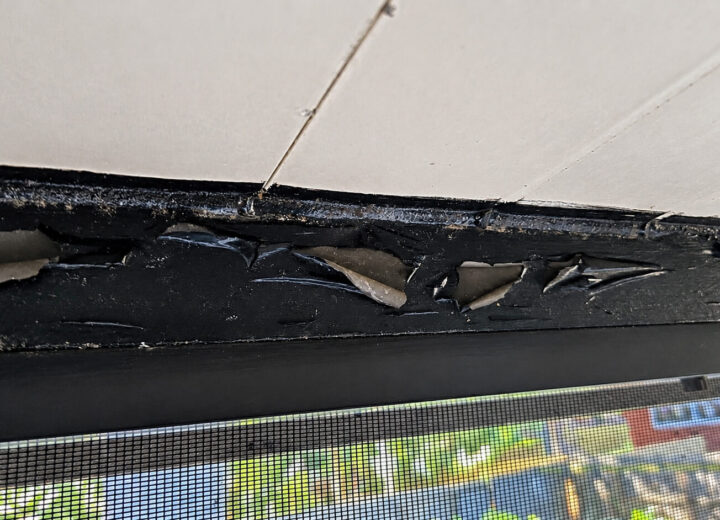
Each of these areas serves a different purpose, but they all face the same two challenges: movement and moisture. When gaps are left open, or sealant begins to fail, the damage often follows a familiar pattern. Water gets in, mold and mildew develop, materials begin to break down, energy costs rise, and repairs become more expensive the longer the problem is ignored.
Proper sealant and waterproofing work is more than routine maintenance. It helps protect the building envelope, reduce future repair costs, improve energy efficiency, and extend the life of the materials throughout the structure. For property managers and association boards, it can also reduce liability. Unresolved water damage and deferred maintenance may eventually create safety concerns that cost far more to address than the original sealant work.
Protect Your Building Before Small Gaps Become Costly Problems
Whether you manage a high-rise, warehouse, condo association, or industrial facility, proper sealant installation is one of the most cost-effective ways to protect your investment. Since 2001, Performance Painting Contractors has provided waterproofing, caulking, and sealant installation services for commercial and industrial properties across the Southeast, with a focus on quality craft and minimal disruption to daily operations.
If it has been a while since your building’s seals were inspected, Request a quote today.
We can help identify small gaps before they turn into expensive problems.
Based in Neptune Beach, FL. Serving Jacksonville, Northeast Florida, and the Southeast since 2001. Call (904) 641-4800 or request a quote online.