At first glance, a fresh coat of paint can make almost any surface look impressive. But a paint job is only truly successful if it holds up over time, and that’s something you can’t judge by appearance alone.
The value and performance of any coating often come down to a step many people overlook: the work done before the first drop of paint is ever applied. In other words, prep work.
Prep work includes inspecting the surface, cleaning it thoroughly, repairing any damage, applying primer, and checking environmental conditions before coating begins. Each step supports the next, and if one is skipped, the coating’s lifespan can suffer no matter how good the product is.
Why Coatings Fail So Often
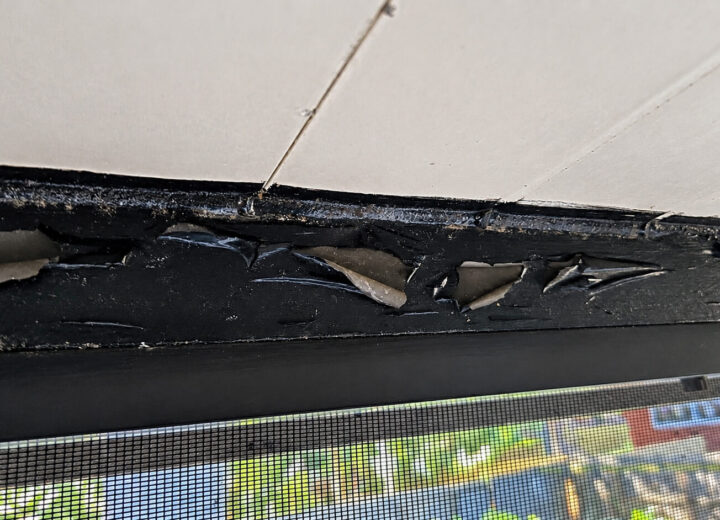
When paint starts peeling, chipping, or fading sooner than expected, people often assume the product is to blame. But in many cases, coating failures come down to one common issue: the surface wasn’t properly prepared before the paint was applied.
For a finish to look good and last, the coating has to bond properly to the surface.
Dirt, grease, moisture, rust, and old flaking paint can all create a barrier between the new coating and the substrate. When that happens, the coating can’t adhere the way it should, which means it won’t last as long.
In the end, if the surface underneath isn’t prepared correctly, failure is only a matter of time. It doesn’t matter whether you use a premium epoxy or a top-shelf exterior paint.
What Proper Preparation Looks Like
Proper surface prep is a step-by-step process, with each part building on the one before it.
It begins with a careful inspection to determine what the surface is made of, its condition, and what it has been exposed to.
The next step is cleaning. Pressure washing removes dirt, mold, chalking, and other contaminants that would otherwise sit between the coating and the surface. For industrial or rusted areas, abrasive methods like grinding, sanding, or blasting create a profile the coating can grip to more effectively.
After that, it’s time to handle repairs such as filling cracks, patching spalls, and replacing old caulking. If you coat over damaged areas, those spots are usually the first to fail, and the problem tends to get worse from there. Once repairs are finished, primer should be applied.
Finally, check the weather, including temperature, humidity, and dew point. This matters because coatings need to be applied under the right conditions and according to the manufacturer’s guidelines.
The Florida Factor
In North Florida, the climate makes it especially important to use durable coatings.
High humidity, intense sunlight, and salty coastal air can cause surfaces to break down faster than they would in many other places. A coating system that lasts 10 years elsewhere might need repairs in as little as five years under these conditions if the prep work wasn’t done properly.
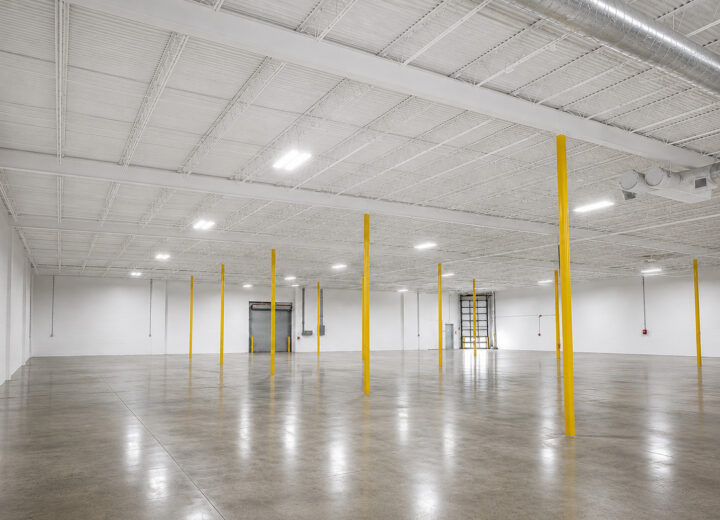
This is especially important for commercial buildings, warehouses, and other structures near the water, where moisture can get in through cracks, weakened coatings, or poorly sealed areas.
A small cosmetic problem can become a much bigger structural issue if it’s ignored. Doing the prep work correctly from the start helps prevent that.
What Cutting Corners Really Costs
Prep work takes time, and time costs money. That’s why some contractors rush through it to keep bids competitive. But when a coating is applied to a poorly prepared surface, it often fails much sooner than it should, sometimes within a year or two. Then you’re left paying to do the whole job again, along with fixing whatever damage was underneath.
When done right, a properly prepared and coated surface can last much longer between repaints. Over the life of a building, that can translate into meaningful savings.
At Performance Painting, our tagline is Prepare. Protect. Preserve. The order matters. We don’t see prep as something to rush through before the real work begins. To us, it is the real work.
On every job, we take the time to do things right the first time because we’ve seen what happens when that step is skipped, and we’ve been the team called in to fix it.
If you have a project coming up and want to talk through the best approach, we’d be happy to take a look.